
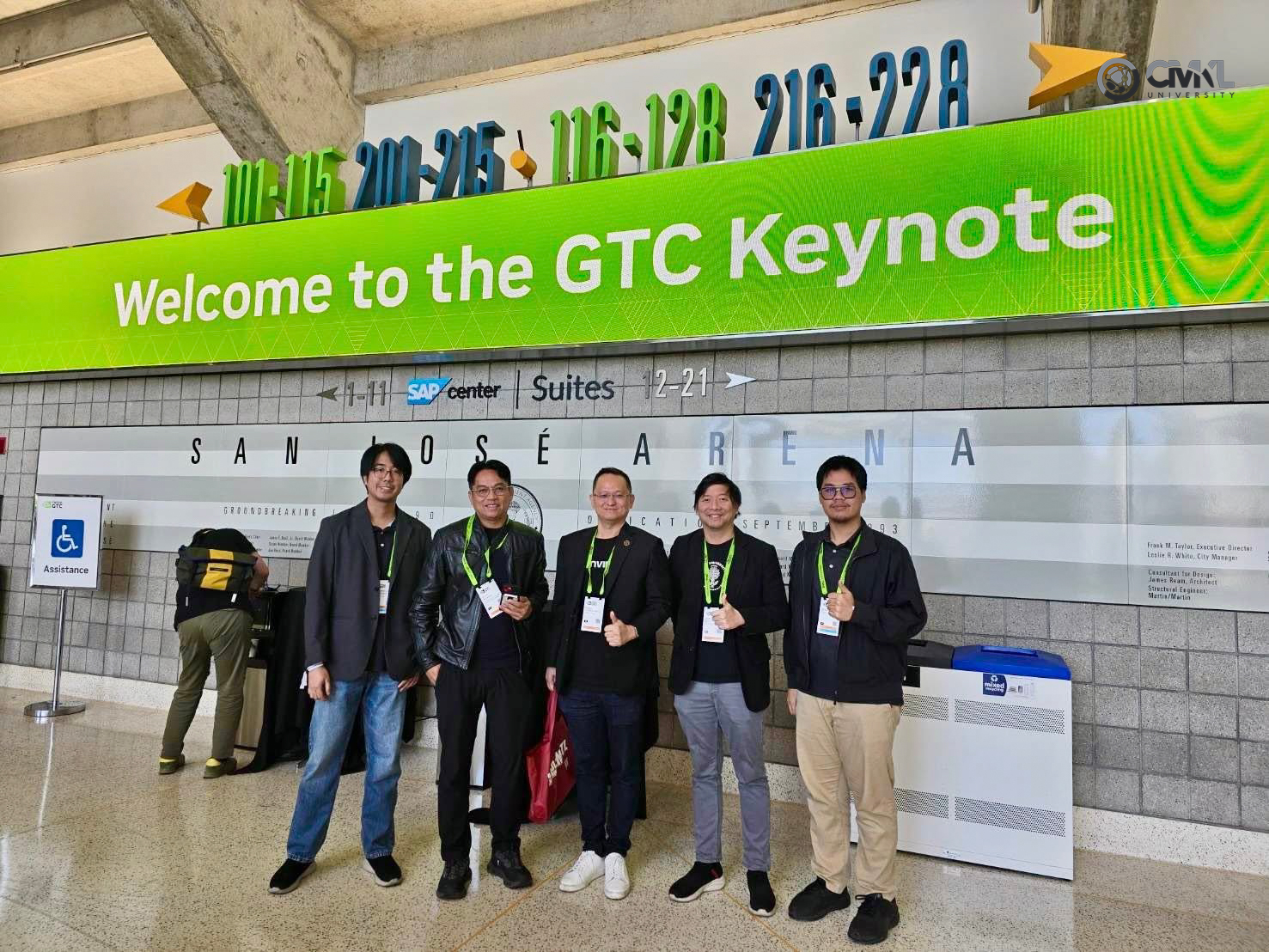
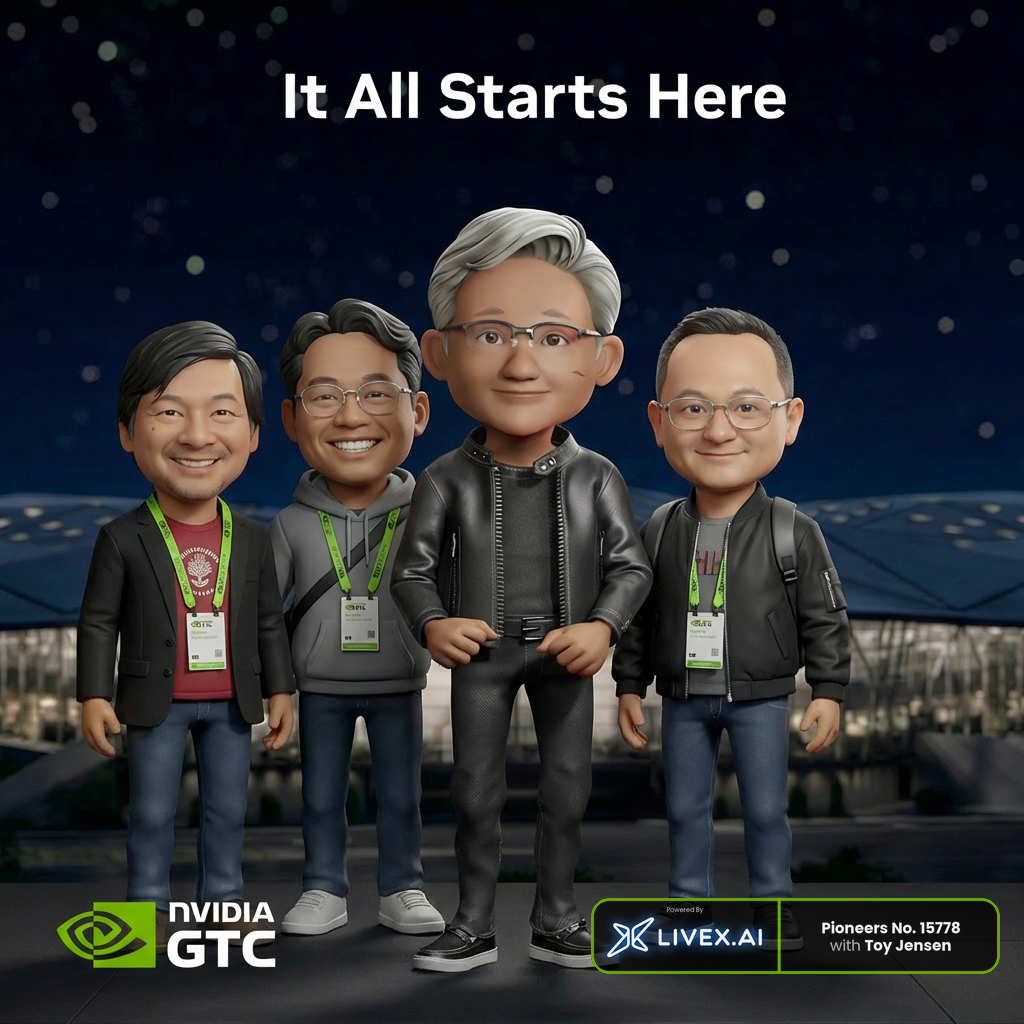
CMKL University presented two AI innovations developed by its Thai research and engineering team at NVIDIA GTC 2026 in San Jose, California, bringing the university’s work in AI infrastructure and large language model development to a global technology audience.
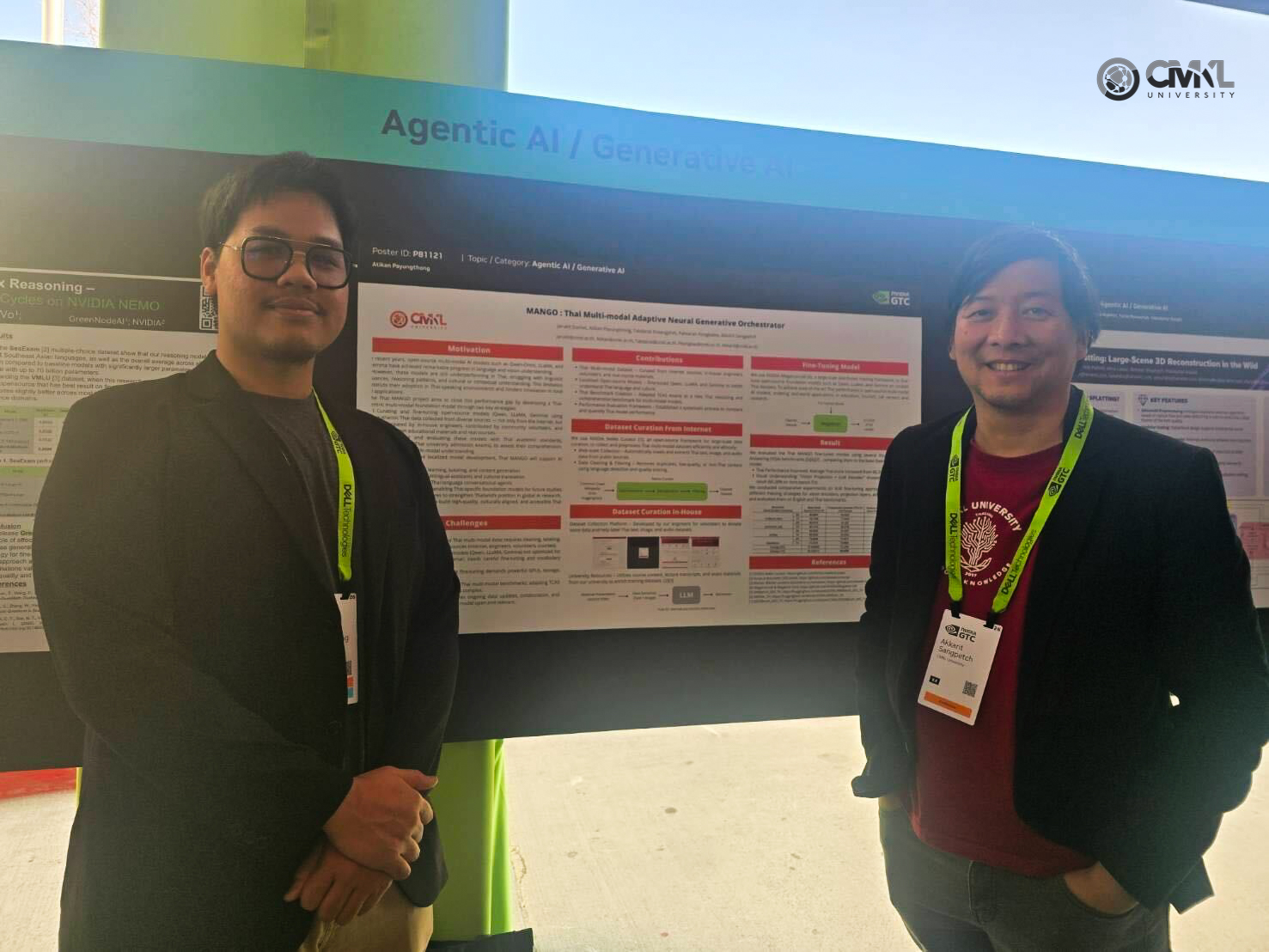
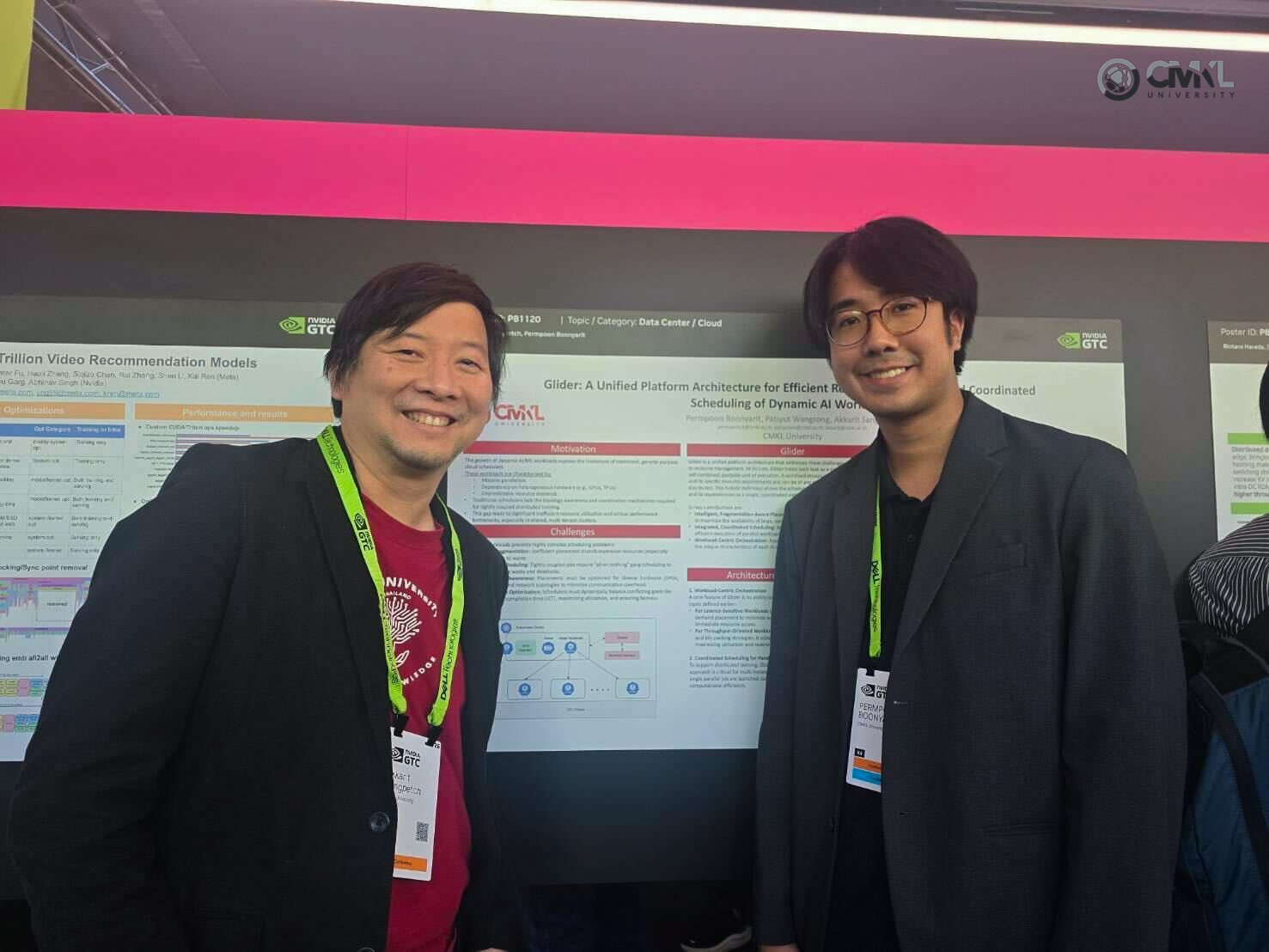
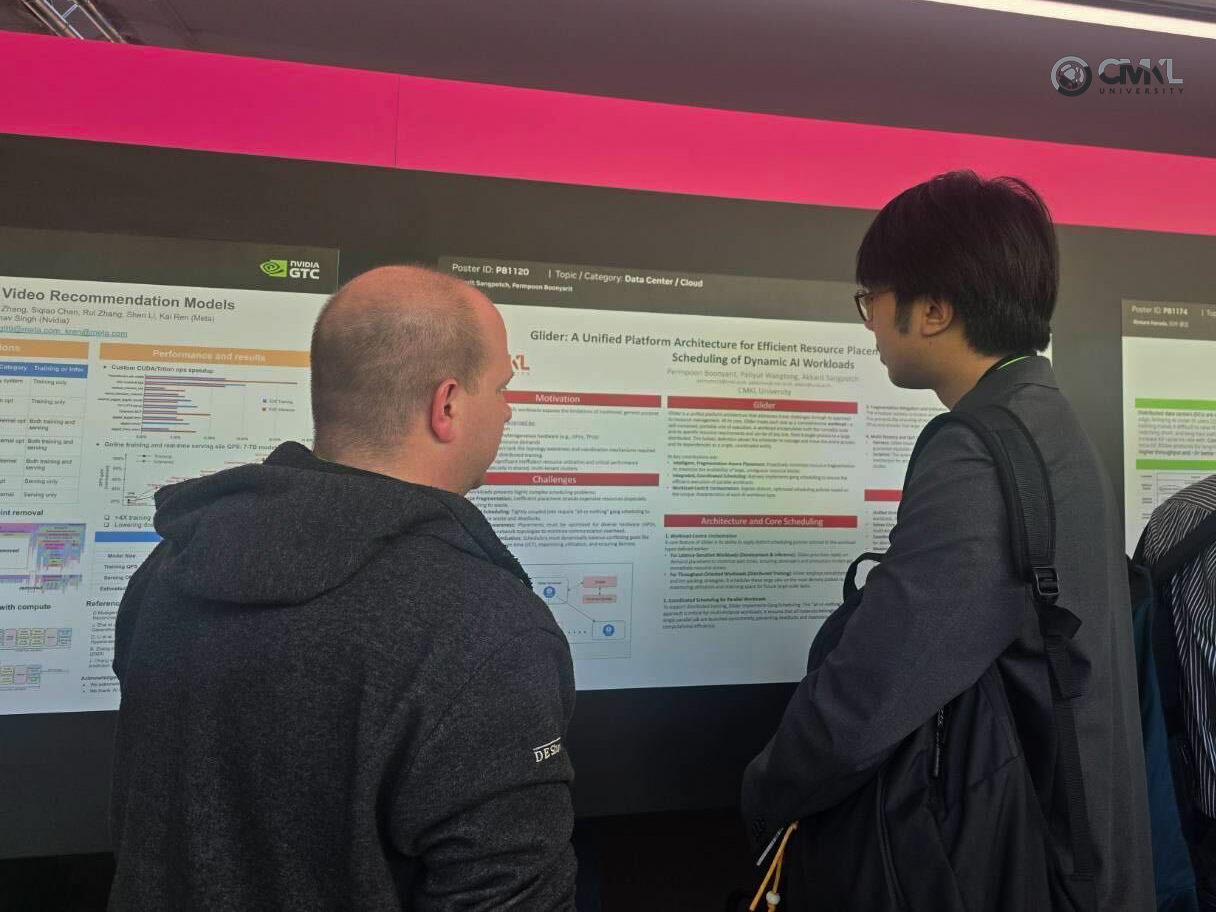
The CMKL delegation, led by Dr. Supan Tungjitkusolmun, President of CMKL University, and Dr. Akkarit Sangpetch, Director, attended the event from March 15–17, 2026, together with members of the university’s engineering team. At the conference, CMKL showcased Project Glider, an intelligent AI workload management platform designed to help researchers make more effective use of computing resources, and Mango, a large language model developed for high-performance and domain-specific applications.
The presentation reflects CMKL’s mission as Thailand’s leading AI and innovation university, where artificial intelligence is embedded across education, research, and industry collaboration. Rather than treating AI as a separate discipline, CMKL focuses on building the technical systems, research capacity, and talent needed to move AI from experimentation into real-world implementation.
NVIDIA GTC 2026 highlighted a major shift in the global AI landscape: the movement from model training toward real-time inference, agentic AI, and large-scale AI infrastructure. For CMKL, these trends align closely with the university’s research direction and academic ecosystem.
Project Glider addresses one of the growing challenges in AI research and deployment: how to manage computing resources efficiently as demand for model training, inference, and experimentation continues to increase. By supporting more effective AI workload management, the platform aims to help researchers and developers improve productivity while making better use of available infrastructure.
Mango represents CMKL’s work in developing large language models that can be adapted for specific domains and practical use cases. As industries increasingly seek AI systems that understand specialized contexts, domain-specific language models are becoming essential for applications in enterprise systems, research, public services, and national innovation.
The CMKL team also identified several key themes from GTC 2026 that will shape the next phase of AI development: the rise of real-world AI deployment, the growth of next-generation AI infrastructure, the emergence of agentic AI systems, and NVIDIA’s expansion from a chip company into a full-stack AI platform spanning hardware, software, and ecosystem development.
By engaging directly with global AI leaders and presenting Thai-developed innovations on an international stage, CMKL continues to connect frontier technology with local capability-building. The university’s participation at NVIDIA GTC 2026 reinforces its commitment to preparing students, researchers, and industry partners to build AI systems that are not only technically advanced, but also deployable, scalable, and relevant to Thailand’s future economy.
As AI becomes foundational to research, enterprise, and national competitiveness, CMKL aims to contribute by nurturing engineering talent, advancing practical AI research, and strengthening Thailand’s position in the global AI ecosystem.


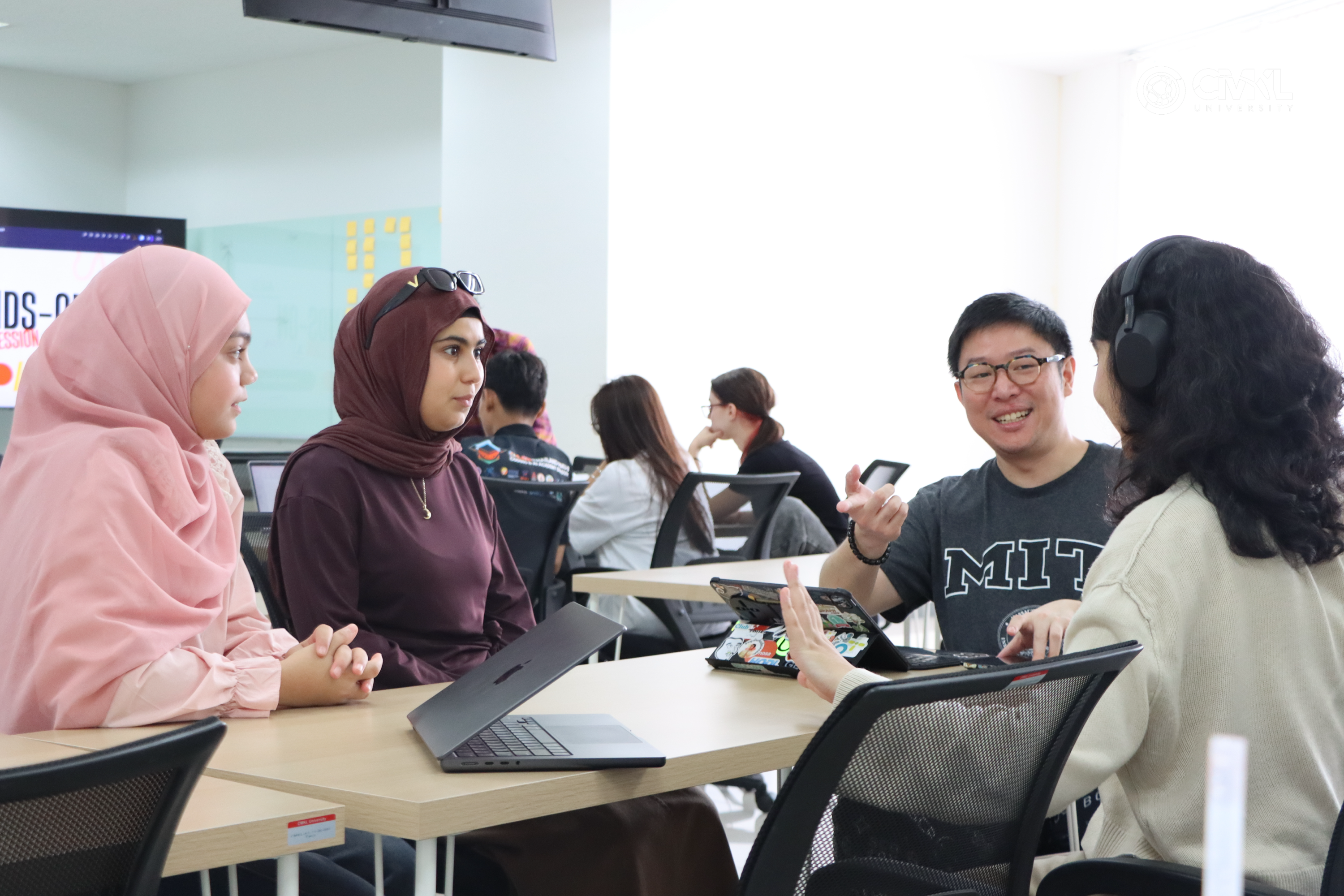
CMKL University supported the AI Kid School StartUp Case Challenge by hosting Workday 1: MVP Day in Room 601 at the university. The workday provided participants with a collaborative space and practical guidance to develop their minimum viable products (MVPs) ahead of the next round.
Read more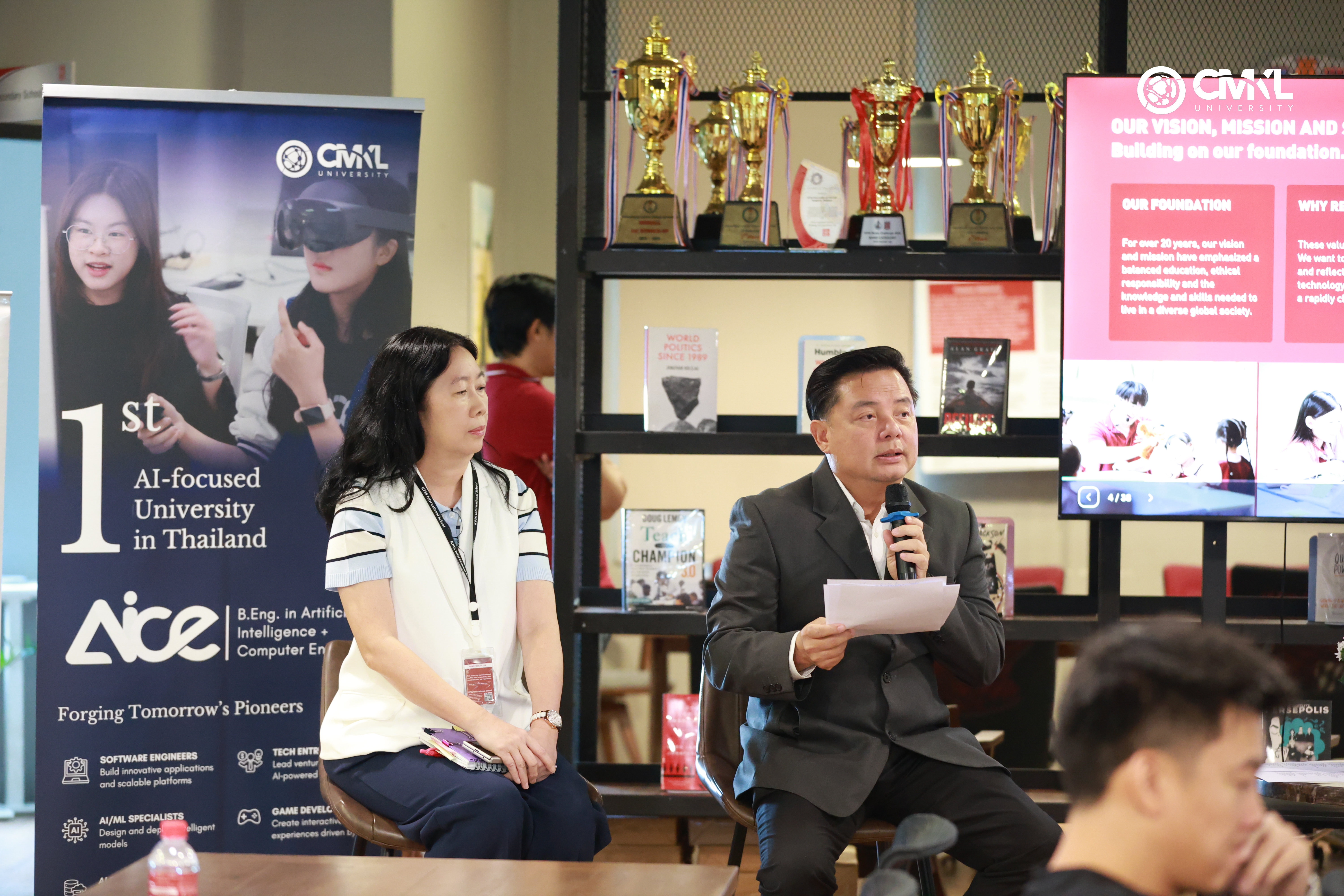
CMKL University joined KPIS Coffee Meet: More for Every Student at KPIS International School, bringing together parents, school leaders, and education partners to exchange perspectives on preparing students for a rapidly changing world and creating more meaningful learning opportunities.
Read more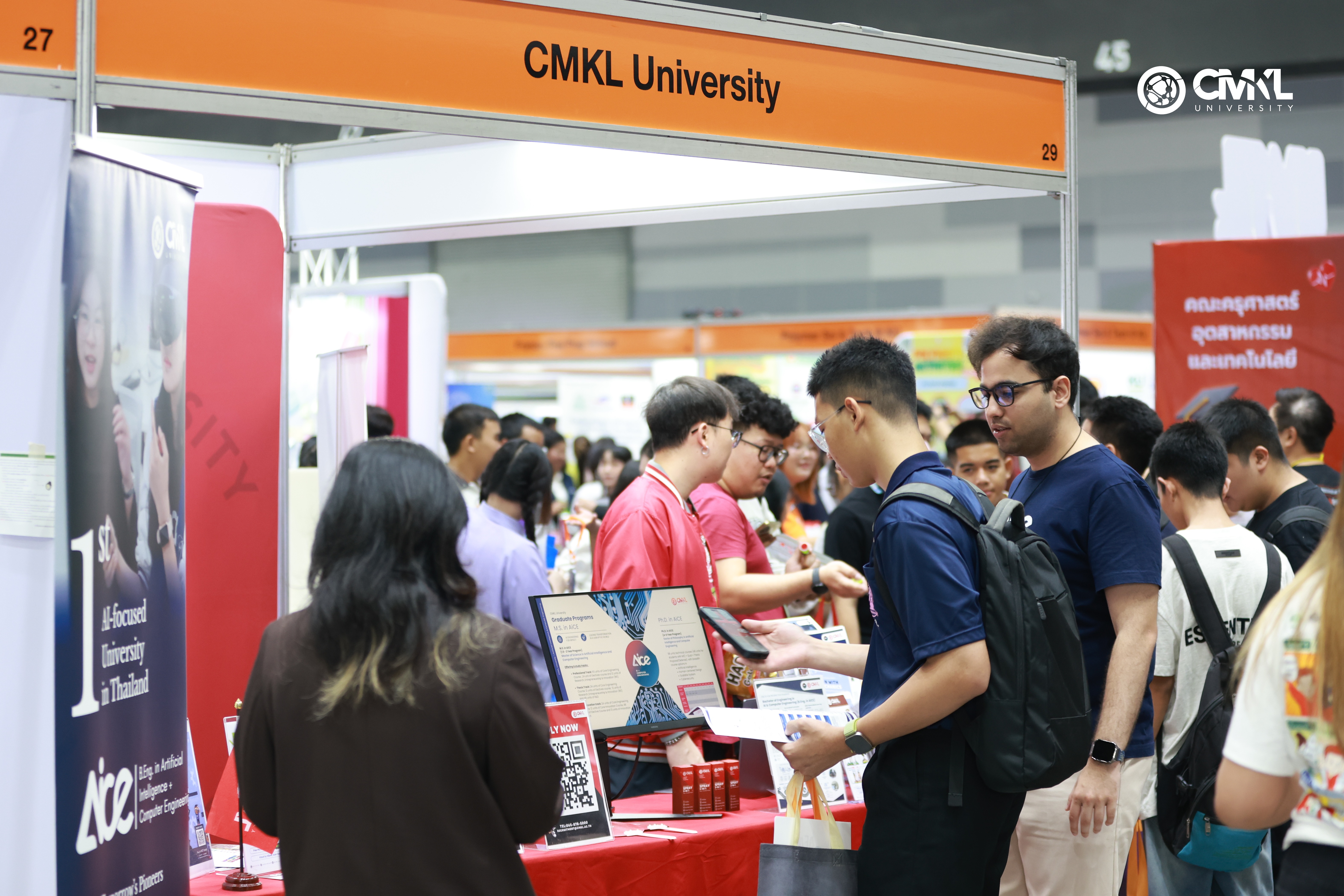
CMKL University participated in Dek-D’s TCAS FAIR, welcoming prospective students and parents who came to explore university programs, admission pathways, and future opportunities in technology and innovation.
Read more