
As our world becomes increasingly globalized and international trade increases, supply chains are becoming more complex and scalable. While massive amounts of data are generated by these supply chains, manufacturers are facing difficulties utilizing this data for their benefit.
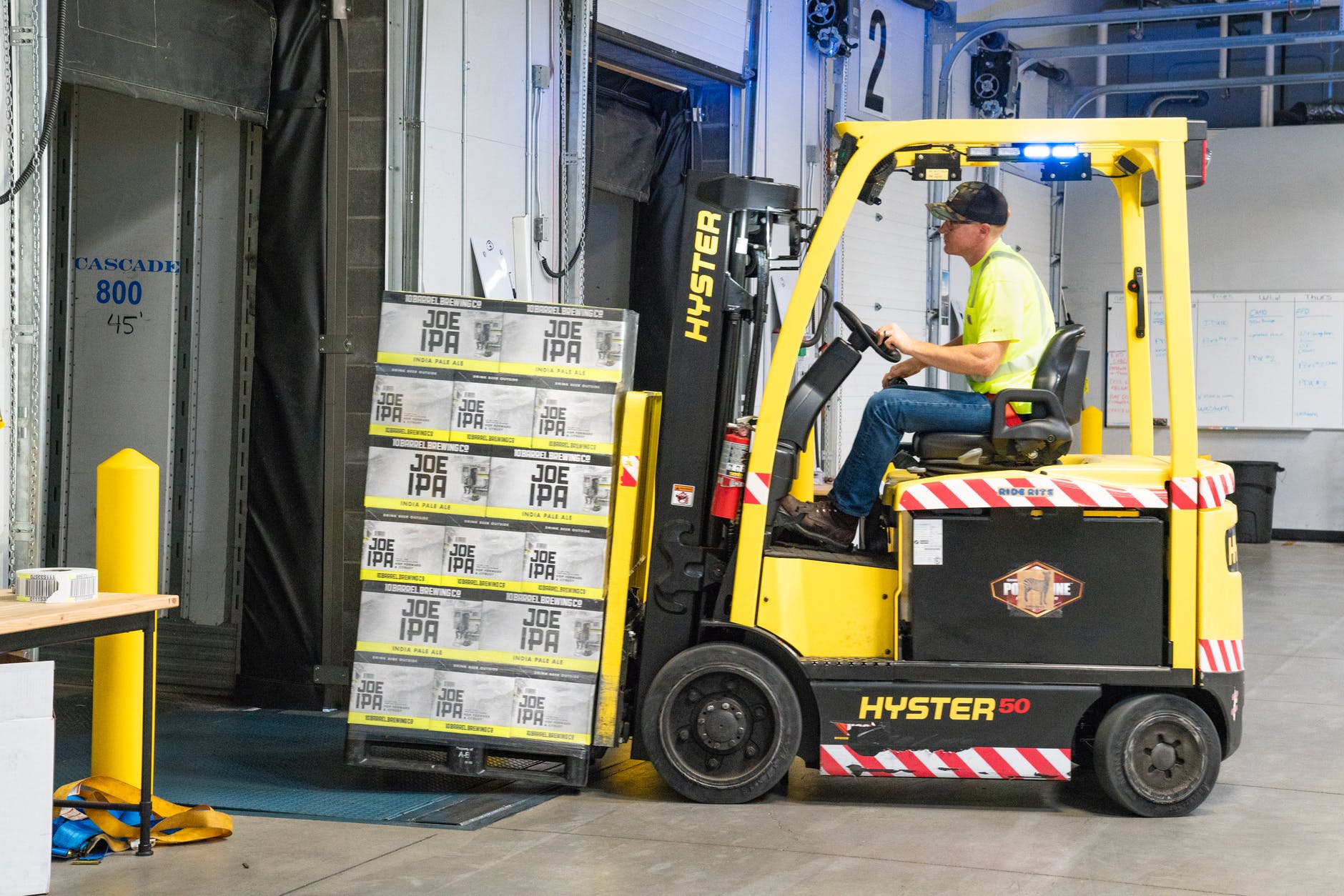
In an attempt to make logistics more efficient, researchers from CMKL University and ThaiBev have developed software that uses large data to optimize logistics operation and detect anomalies. Known as Smart Logistics, the software is used to cut logistics costs by maintaining more accurate inventory, save transportation costs by identifying the most efficient shipping routes, and provide more timely updates following anomaly detection.
Understanding the information flow of operations helps us detect faults, recover from them, and optimize the process by identifying weak links. By addressing sub-optimal processes in logistics operations, Smart Logistics will significantly reduce operational costs while improving performance and efficiency.
Read more at: https://engineering.cmu.edu/news-events/news/2019/10/25-thailand-kim.html

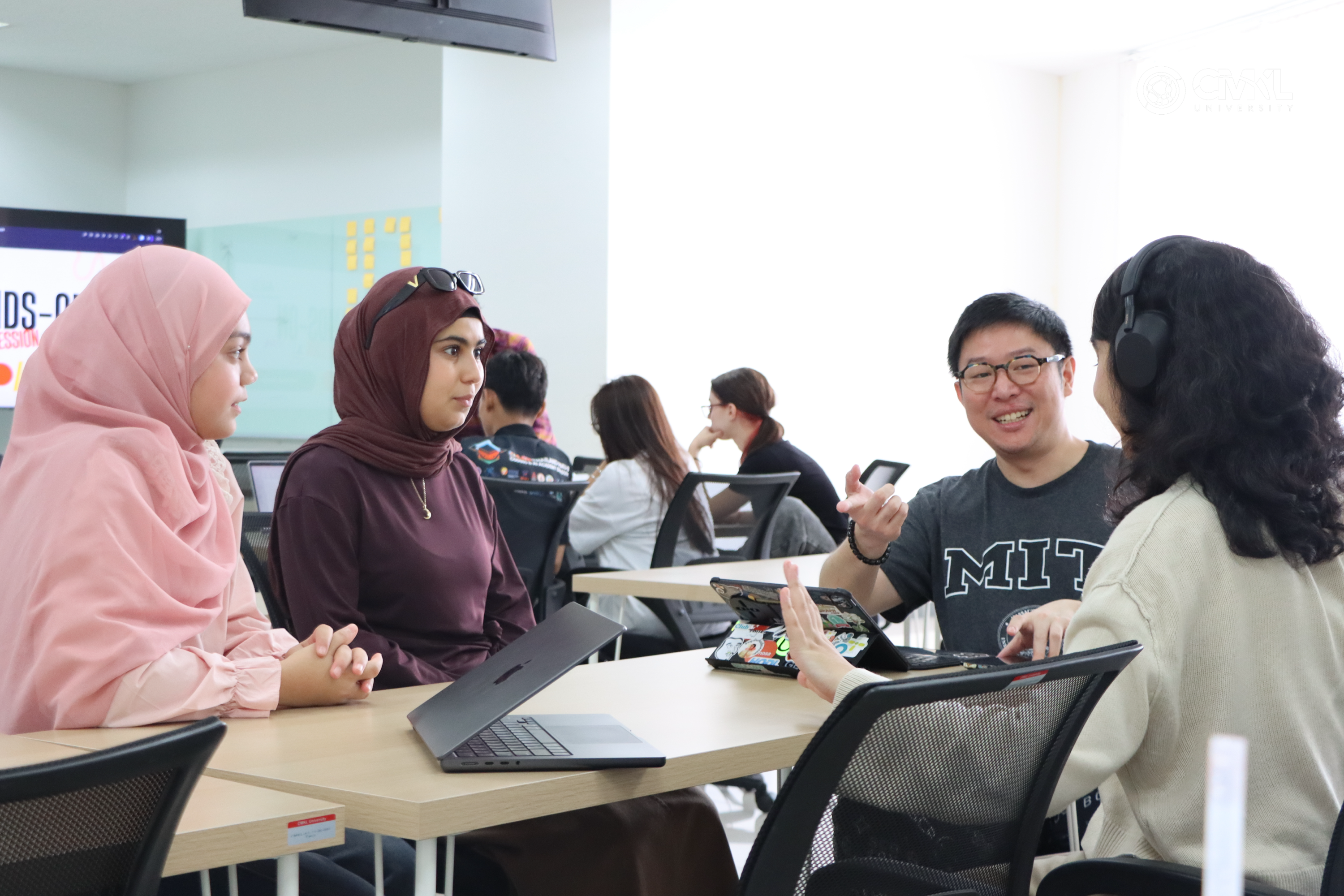
CMKL University supported the AI Kid School StartUp Case Challenge by hosting Workday 1: MVP Day in Room 601 at the university. The workday provided participants with a collaborative space and practical guidance to develop their minimum viable products (MVPs) ahead of the next round.
Read more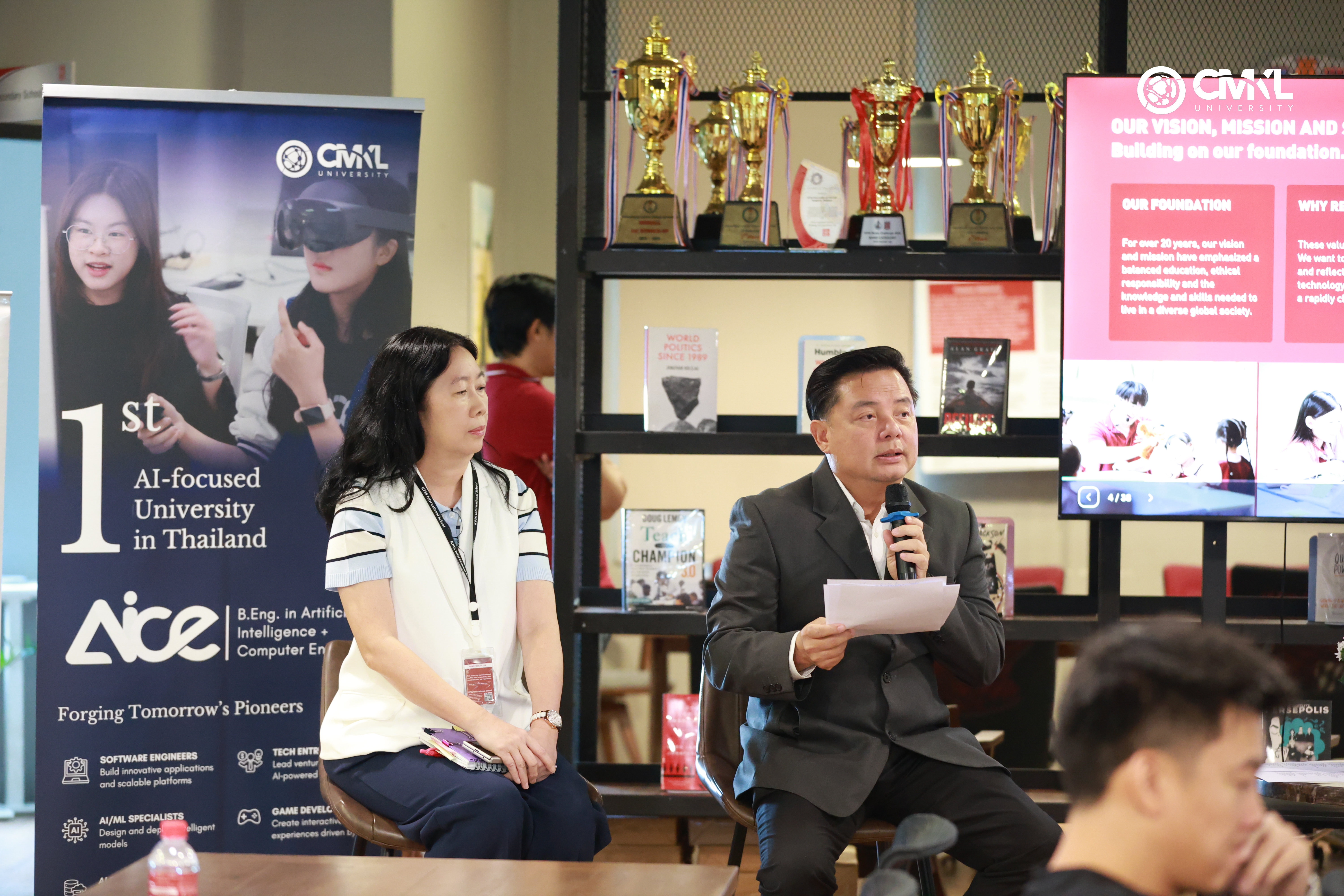
CMKL University joined KPIS Coffee Meet: More for Every Student at KPIS International School, bringing together parents, school leaders, and education partners to exchange perspectives on preparing students for a rapidly changing world and creating more meaningful learning opportunities.
Read more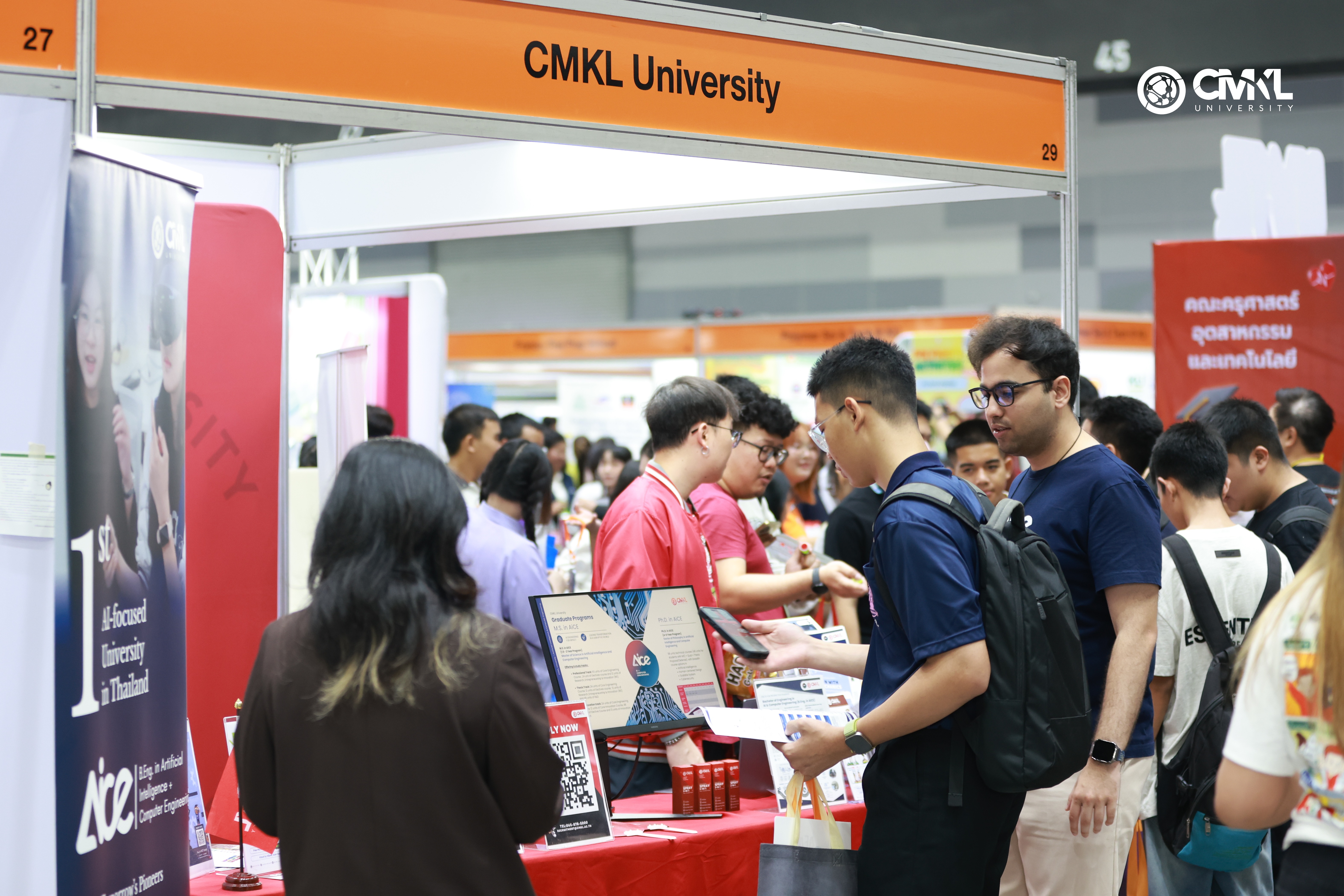
CMKL University participated in Dek-D’s TCAS FAIR, welcoming prospective students and parents who came to explore university programs, admission pathways, and future opportunities in technology and innovation.
Read more