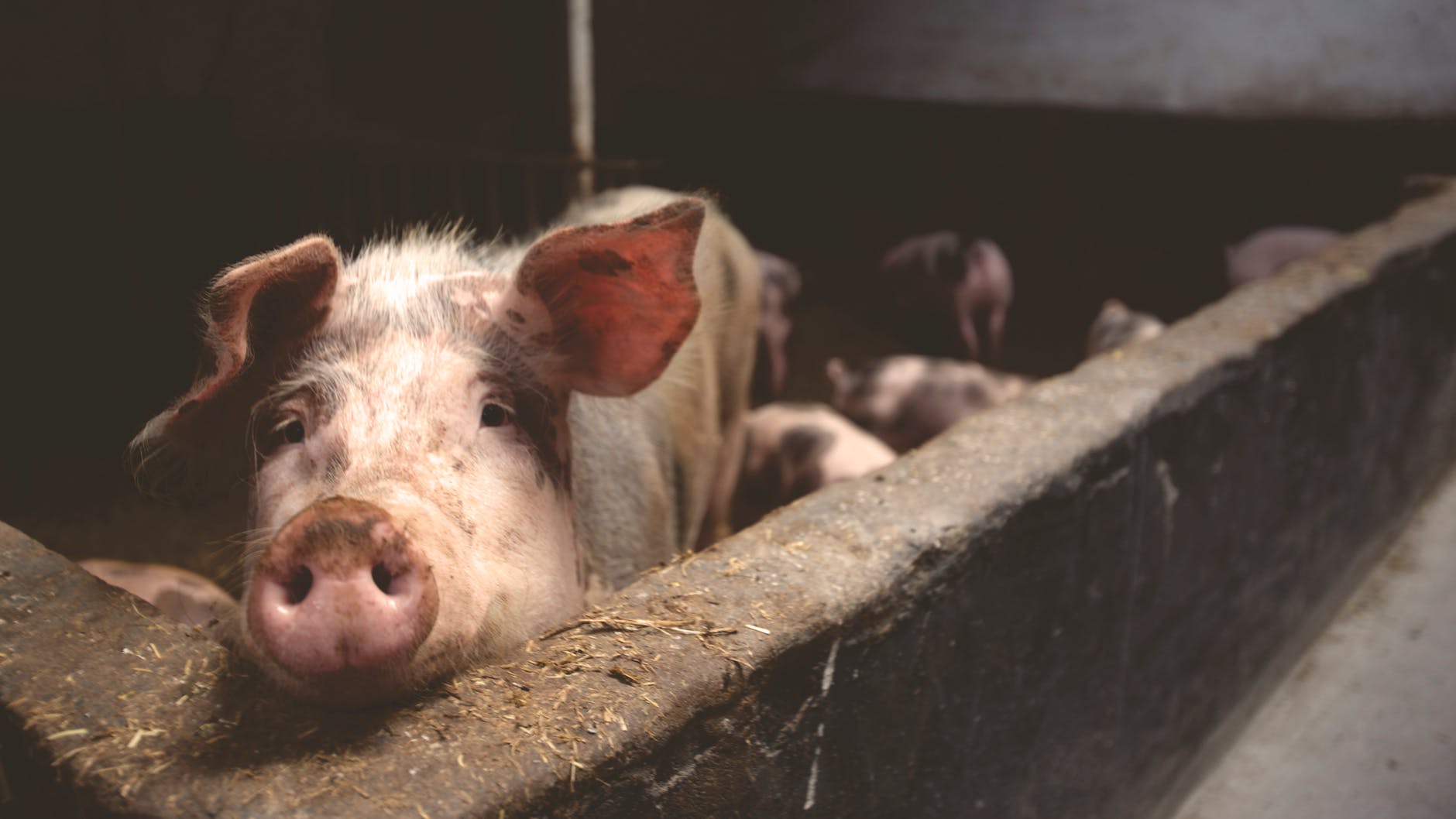
Through the use of geophone-based (vibration) sensors, the activities of pigs can be monitored more closely. Since piglet crushing primarily occurs when the mother pig is standing, farmers can be more alert to potential accidents. The research is also useful for monitoring the piglet’s eating, sleeping, and movement patterns, enabling farmers to monitor the piglet’s health in a noninvasive way. With one illness capable of killing an entire stock, a more thorough health evaluation would provide farmers with additional security for their animals. Researchers hope to develop a system that will enable farmers to monitor pigs 24/7, alerting them instantly when potential piglet crushing events occur.
Read more at : https://engineering.cmu.edu/news-events/news/2019/08/05-pig-sensing.html

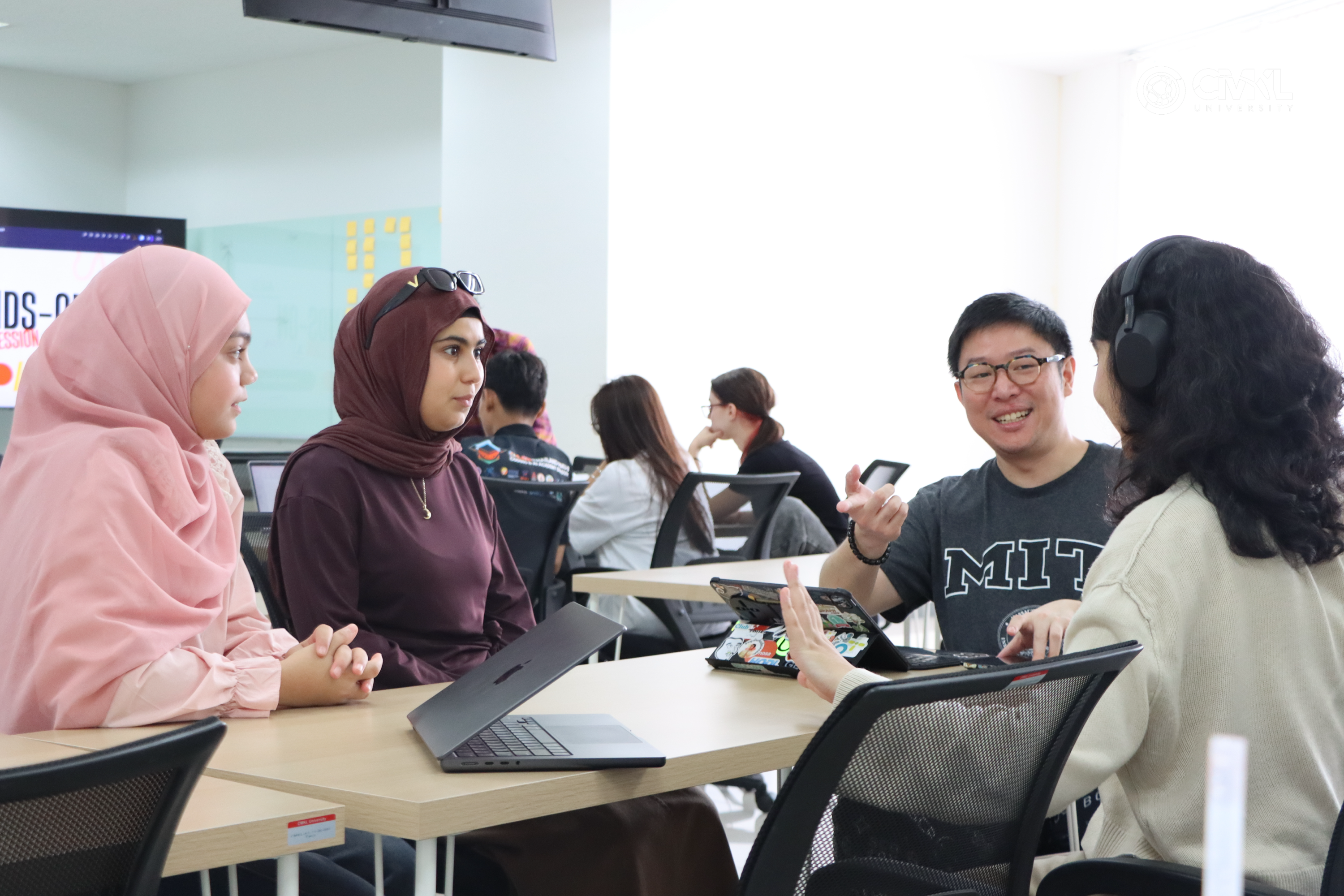
CMKL University supported the AI Kid School StartUp Case Challenge by hosting Workday 1: MVP Day in Room 601 at the university. The workday provided participants with a collaborative space and practical guidance to develop their minimum viable products (MVPs) ahead of the next round.
Read more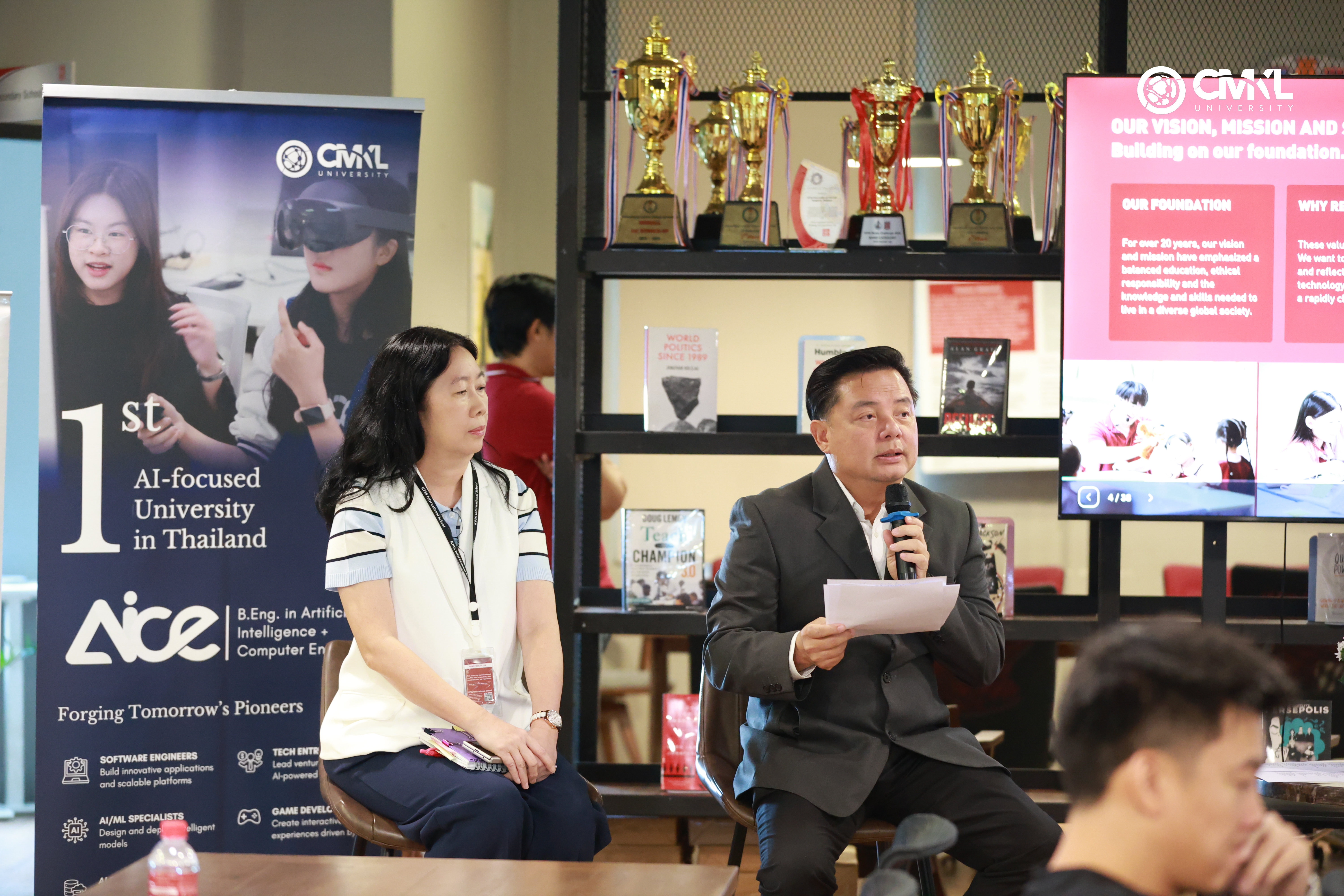
CMKL University joined KPIS Coffee Meet: More for Every Student at KPIS International School, bringing together parents, school leaders, and education partners to exchange perspectives on preparing students for a rapidly changing world and creating more meaningful learning opportunities.
Read more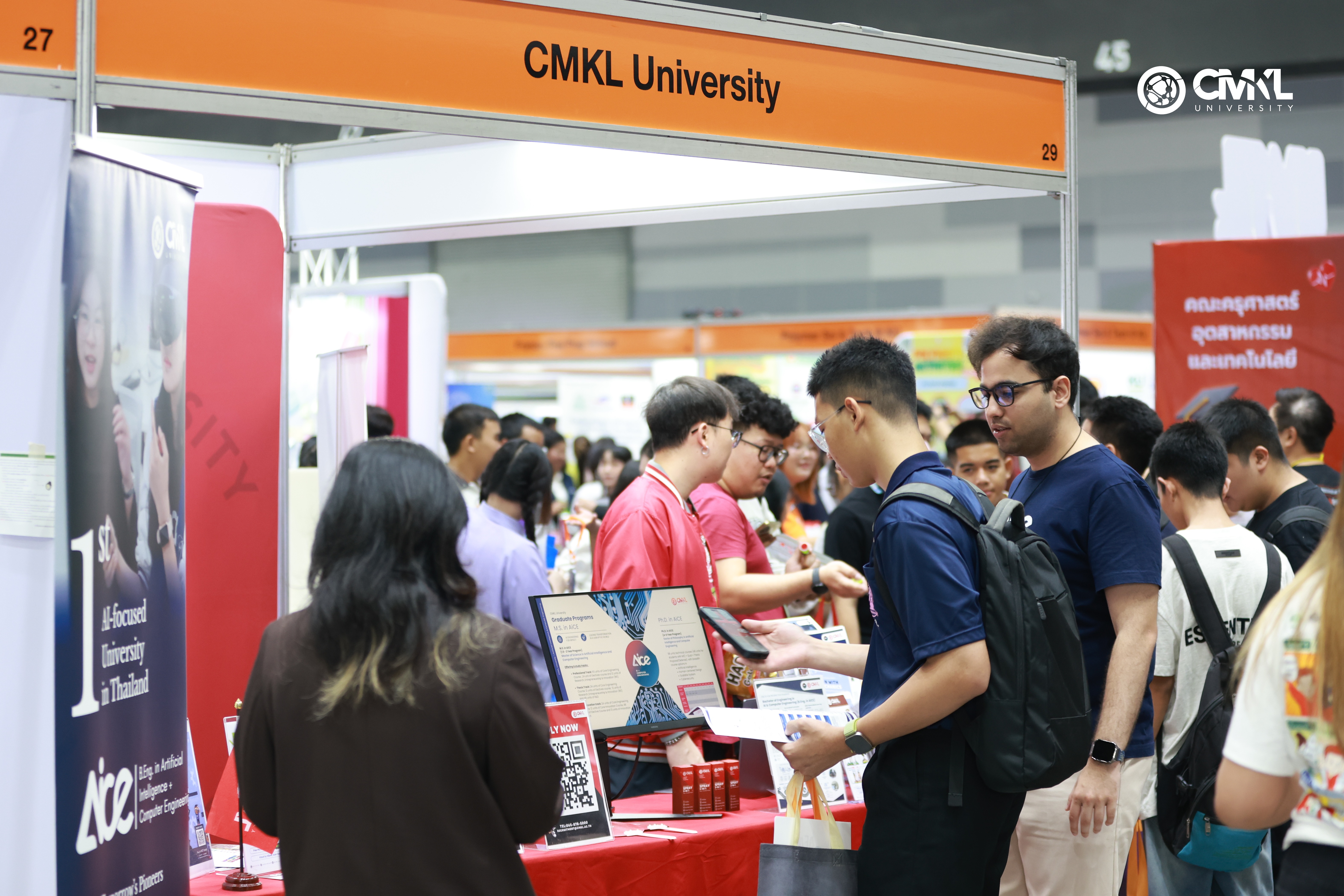
CMKL University participated in Dek-D’s TCAS FAIR, welcoming prospective students and parents who came to explore university programs, admission pathways, and future opportunities in technology and innovation.
Read more